


An industry initiative · Launching soon
Make phishable login rare by 2027.
Phishable authentication, down to 5% or less of all logins by the end of 2027. Two standard deviations from normal.
Passkeys still have lifecycle, adoption and device-binding gaps, so SMS OTP is everywhere. Deepfakes beat selfie checks. Agents get blank-check approvals.
Leaked IDs reused by agents to open accounts. Synced passkeys and one-time codes stolen. Hijacked agents moving money, and nobody taking liability.
Today
Now picture the other side of 2σ27.
End of 2027
Authentication, verification and authorization that are deterministic: not phishable, not spoofable, cryptographic end to end. We know who is there, and exactly what they approved.
Phase one is authentication, something every company can act on now. 2σ27 launches soon. Join the waitlist to be there when it does.
The Readiness Protocol
A framework we keep coming back to, for education, for the economy, and today for identity.

Deterministic identity. Every authentication, verification and authorization is cryptographic, non-phishable and non-spoofable.
We know who we are talking to, continuously, with proof of exactly what they approved.
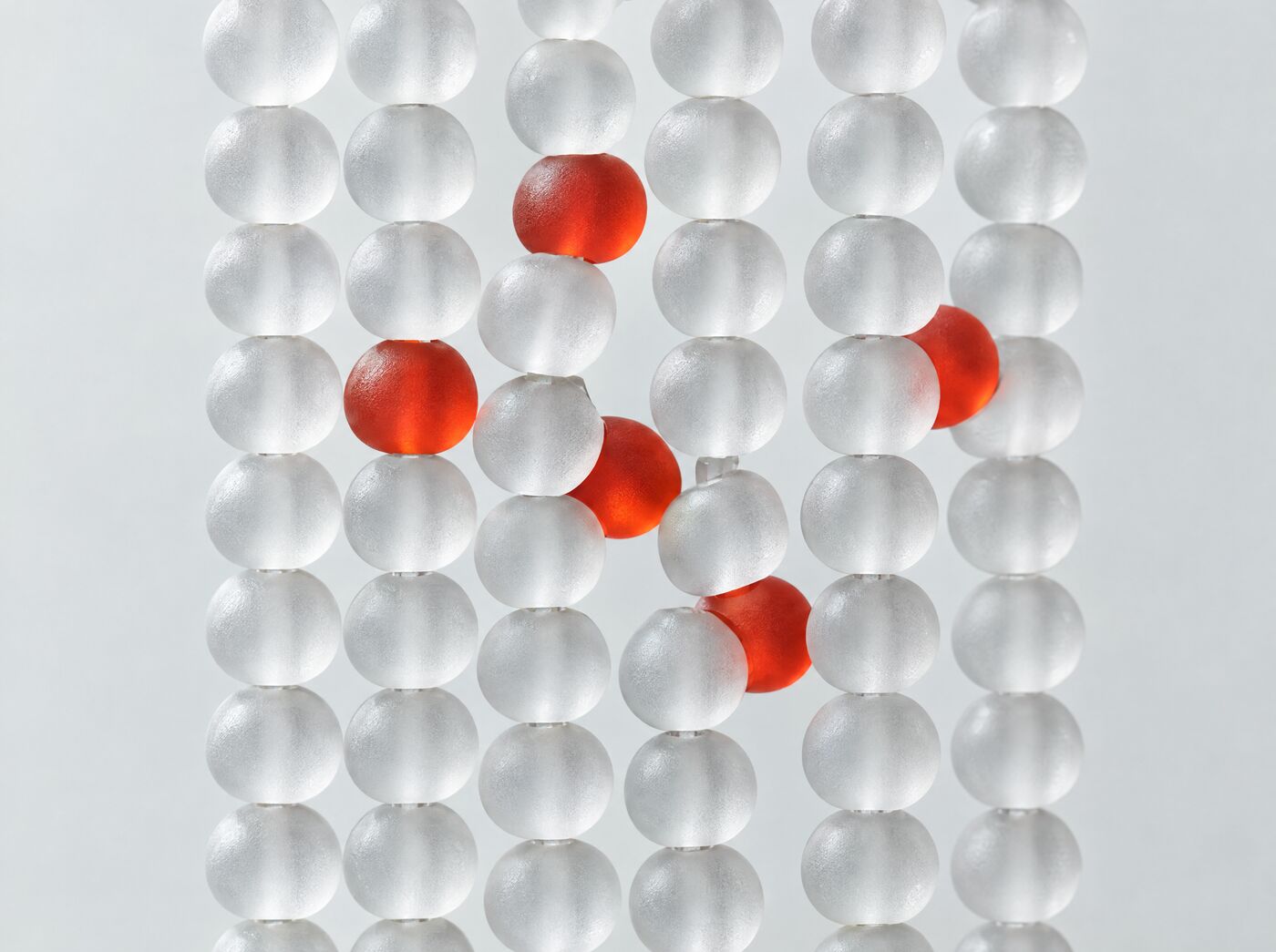
Authentication: passkeys still have gaps in lifecycle, adoption and device binding, so SMS OTP remains the default almost everywhere.
Verification: deepfakes beat ID-photo and selfie flows, and AI can mimic or poison probabilistic signals. Authorization: agents get broad read, write and delete grants that people approve without reading.
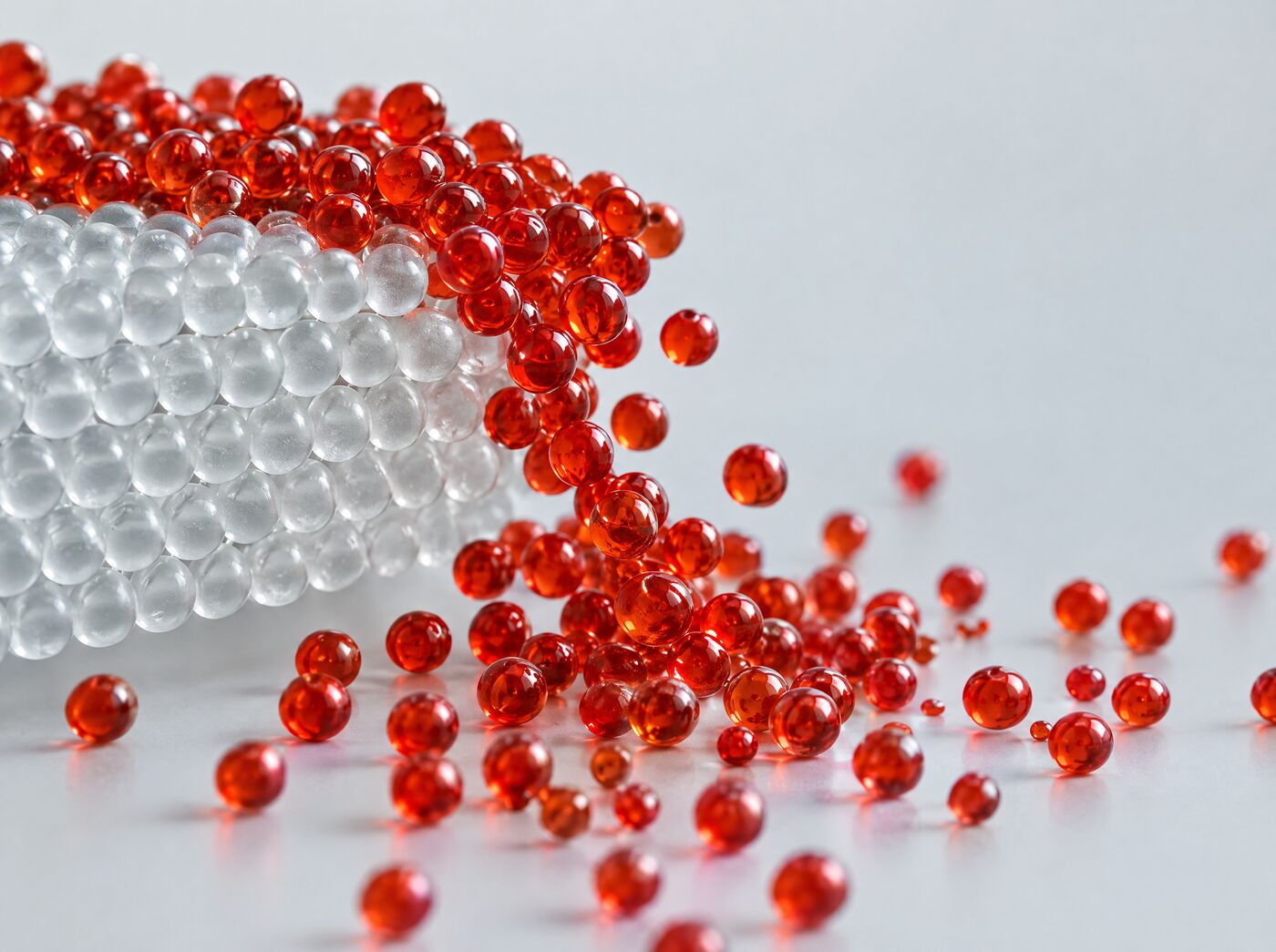
Identities leaked years ago get reused by agents to open accounts in your name. Synced passkeys and one-time codes are stolen, and accounts are drained.
Hijacked agents move money after a single prompt injection, and nobody accepts liability. Financial and social chaos, already starting.
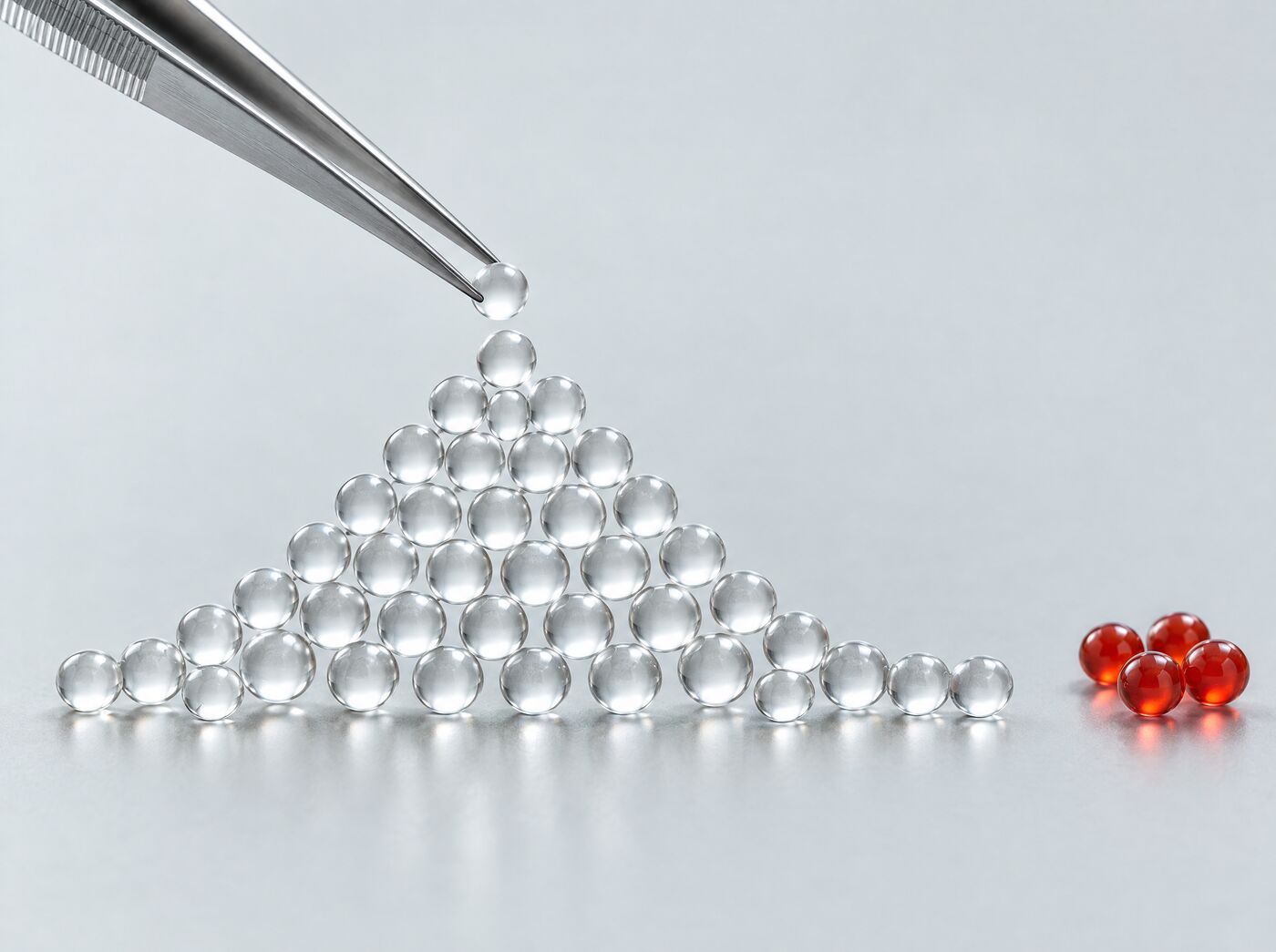
Removing phishable credentials with passkeys, SIM-based authentication and other cryptographic factors. Moving verification to verifiable credentials.
Making every approval signed, OS-backed and enforced on the rails. Phase one, 2σ27, starts with authentication because every company can act on it now.
On a normal curve, about 95% of everything sits within two standard deviations of the middle. 2σ27 asks that phishable authentication live outside it: 5% of logins or less, everywhere.
That puts your cut at ±0.52σ. The goal is ±2.00σ.
Design partners
2σ27 is being shaped with a small group of identity and product leaders who will launch it with us. They test the plan against real login traffic before anyone else sees it.
Become a design partner →Launching soon
Be first to hear when 2σ27 opens, and get the playbook before launch.
Opens shortly
The waitlist opens in a few days.
We are finishing how sign-ups are handled so your details are looked after properly. Check back soon.
Count the logins that still rely on something a person can be tricked into handing over: a code, a password, a magic link. Track it monthly.
Move first factors to passkeys or SIM-based authentication. Keep SMS as a last-resort fallback, then remove it.
Recovery is where strong sign-in falls back to weak sign-in. Make recovery as strong as login.
Tie credentials to hardware the user actually holds, so a stolen code or a synced key alone is not enough.
Share your number and what moved it. Other teams copy what they can see.

